
Home / Natural exterior plasters
Plasters for facades and masonry, for restoring historic buildings and for those who build naturally: lime, selected aggregates and artisan craft.
Plasters and finishes for facades, stone walls and historic masonry, made with natural lime. They protect against rain while letting the wall breathe, which makes them the most compatible choice for restoring old buildings and for natural building.
The range includes base coats, finishes and restoration products, with colours obtained from natural aggregates and approved on samples.
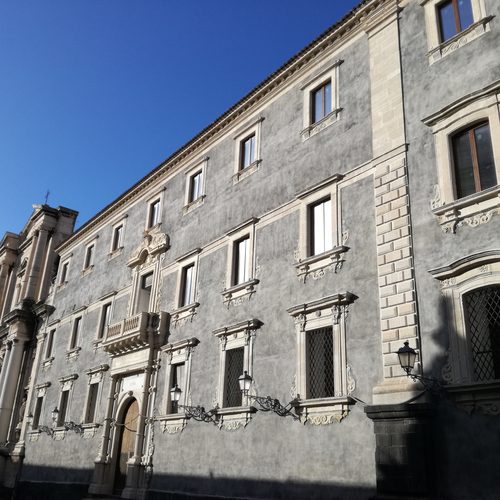
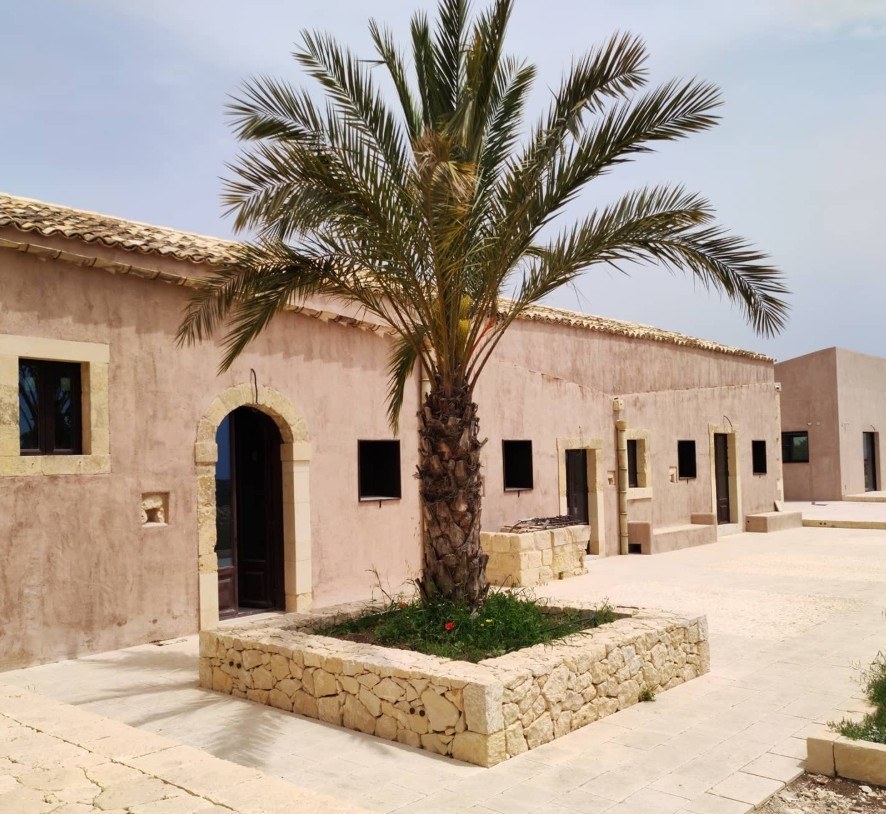
Water vapour leaves the masonry instead of getting trapped, reducing the risk of detachment and stains.
Lime and historic masonry work together: the plaster follows the movements of the substrate without forcing it.
Shades come from selected aggregates and earths and are assessed on a sample in the context of the building.
Exterior lime plasters are used on the facades of historic buildings, on stone walls and mixed masonry, on new buildings built to natural building criteria and in restoration work on walls damaged by damp.
They are chosen by construction companies, restorers and architects looking for a finish consistent with the setting: in historic centres, country houses, villages and villas.
The colour of an elevation changes with the light, the substrate and the surroundings. That is why shades are chosen on samples viewed on site, in the context of the building, before work begins. Natural aggregates and earths give warm nuances and tonal variations that a uniform paint cannot reproduce.
Prima Materia distributes Guglielmino's natural lime-based mortars and supports construction companies, architects and craftspeople with technical advice, even remotely: choice of product, plastering cycle and colour.
Yes: lime and historic masonry work together and the plaster follows the movements of the substrate.
Because it lets water vapour leave the wall, reducing the risk of detachment and stains.
It is assessed on samples in the context of the building, with shades obtained from natural aggregates and earths.
It is the most compatible choice for old masonry. For listed buildings the final guidance depends on the heritage authority: we provide technical support on the materials.
We work with construction companies, architects and craftspeople in Piacenza, home of our showroom, and across Northern Italy. We supply the materials and the technical support, even remotely.
Tell us about your project: we'll reply with guidance for your surface.